I begin with backward design: naming the learning goals first, then planning the evidence and entry points that let every student show what they understand. Lessons are aligned to Ontario curriculum expectations and built around student interests.
Each unit moves from a clear goal to open-ended inquiry, hands-on materials, and multimodal activities, with placeholder space for the sample plans behind them.
Inquiry Provocation
Starting with a question
Placeholder: describe an open-ended provocation used to launch the unit, and how students' first responses shaped the next lesson.
Connection to Theory
Placeholder: link the provocation to a relevant idea from child study or inquiry-based learning literature.
Differentiated Sequence
Multiple entry points
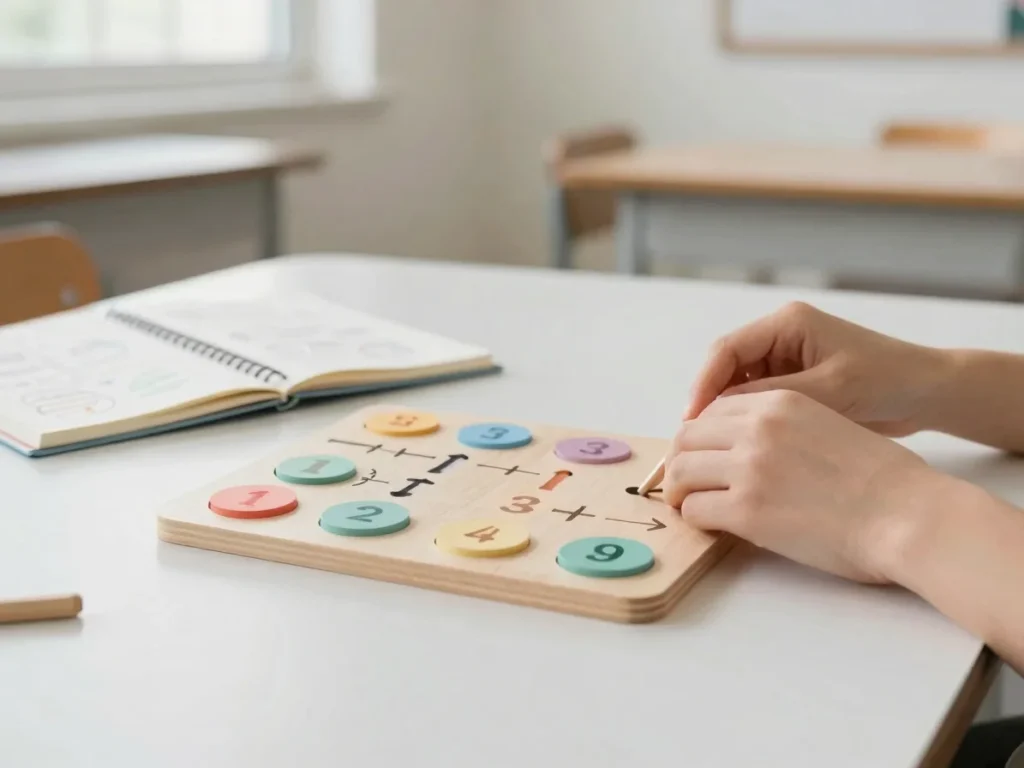
Placeholder: outline how one learning goal is reached through several entry points, from concrete materials to abstract representations.
Artefact Display
Planning templates and classroom photographs
Placeholder space for unit plans, student activity sheets, and photographs documenting the lessons in practice.
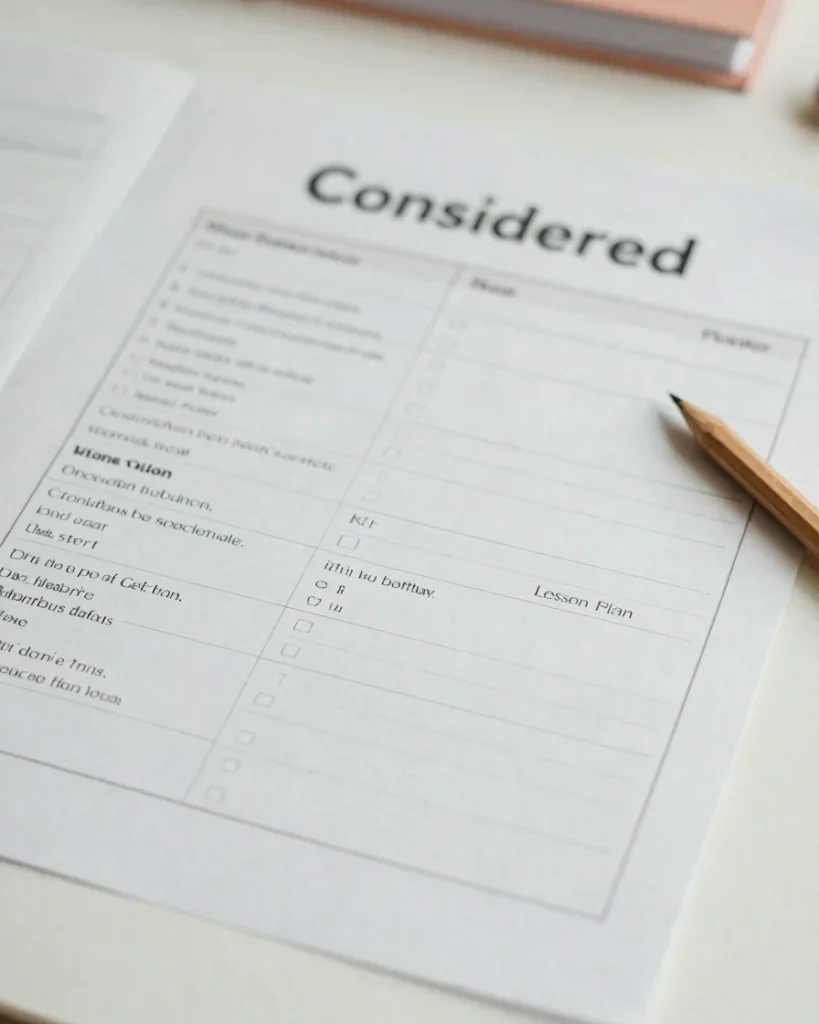
Placeholder: unit planning template with a caption describing its purpose.
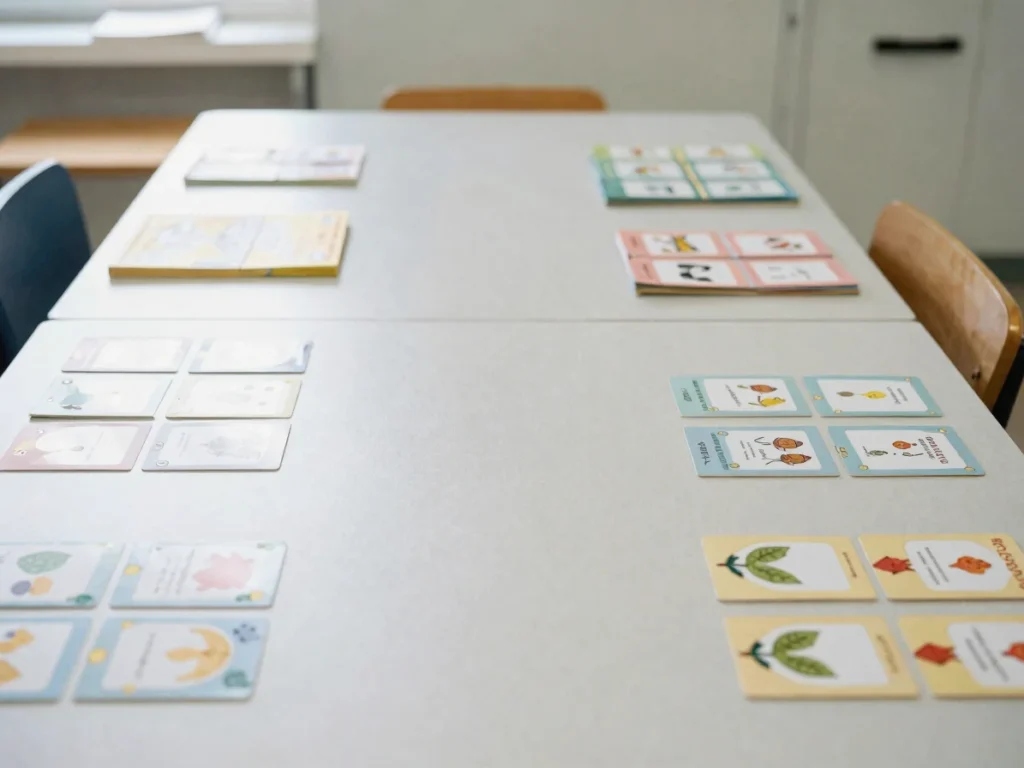
Placeholder: classroom photograph with an explanation of the lesson shown.
Placeholder: activity sheet with a reflection on what it revealed about learning.